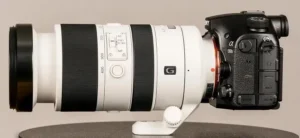
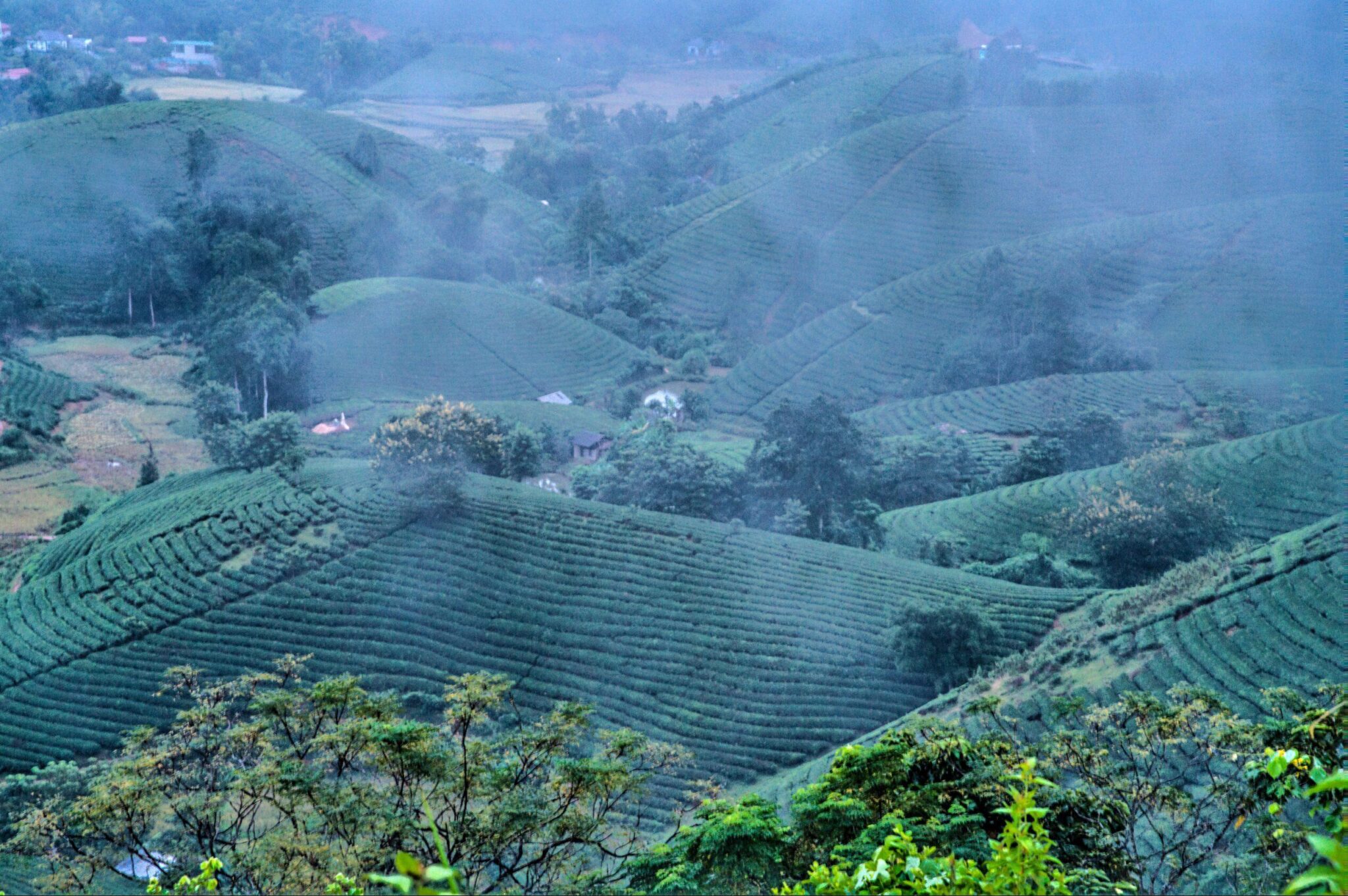
In chaos theory , the butterfly effect is the sensitive dependence on initial conditions in which a small change in one state of a deterministic nonlinear system can result in large differences in a later state. ( Butterfly effect – Wikipedia )
Chaos theory is an interdisciplinary area of scientific study and branch of mathematics. It focuses on underlying patterns and deterministic laws of dynamical systems that are highly sensitive to initial conditions. These were once thought to have completely random states of disorder and irregularities. ( Chaos theory – Wikipedia ). Enough with the pedagogy.
It all started 22 years ago to the date. At the time my brother who was living with us, was sitting in the family room along with my wife and kids on the Labor Day Monday, and out of blue makes the statement that if I were to buy a camera on that day or in that week, I don’t recall, he would pay for it. No questions asked, no budget and no price limit. I told him that I cannot be rushed into buying something like a camera, a big-ticket item on impulse.
I have used a camera growing up in India. Agfa Click II, anyone? I had purchased a point and shoot film camera for primarily family events, family trips and events. Around the time my brother offered to buy me a camera, Canon had just announced Rebel EOS (Electro-Optical System) aka Canon 300D, a 6.3 Megapixel entry level Digital Single Lens Reflex (DSLR) camera. A basic digital camera with Advanced Photo System – Type C sensor (APS-C) for under $1000 that came with EF-S (Extra Short Back Focus) 17mm-35mm lens. A large sum in 2003.
Around the same time, Minolta has introduced Dimage A1 fixed lens camera that had 18mm-200mm (11X optical zoom), with macro capability at 18mm and 200mm, a tiltable electronic view finder (EVS), with 5 sec audio recording for each image (to make notes), and 30 sec video recording (640x480P), a tiltable LCD, and most importantly fully creative control (autofocus, shutter priority, aperture priority, full manual) and a very useful live histogram display, not to mention dynamic range optimization (DRO), a precursor to HDR. All this plethora of features in a tiny package to boot. The features in that $800 camera were to be found only in very expensive DSLRs.
I was faced with the quandary. Should I buy my first basic DSLR with attendant requirement of additional investment in lenses, or a feature rich “point and shoot” camera. Till Dimage A1 introduction, PS cameras were just that. You point and shoot. No other control is available. After going through a lot of research and input from acknowledged photography experts (thank you Viggy), I chose to go against conventional wisdom and bought Minolta Dimage A1.
A random small talk, and gutsy choice of that fixed lens camera in 2003 lead me to where I am today with close to 400,000+ sitting in my archives. I have taken different styles of images (HDR, HDR Panoramas, Panoramas, Moon, Milkyway, long exposure, events, models, family photos, travel photos, flowers, macros, focus stacking, car shows, airshows, and what have you) in the ensuing period to date. My affliction to Gadget Acquisition Syndrome (GAS) has started very early on.
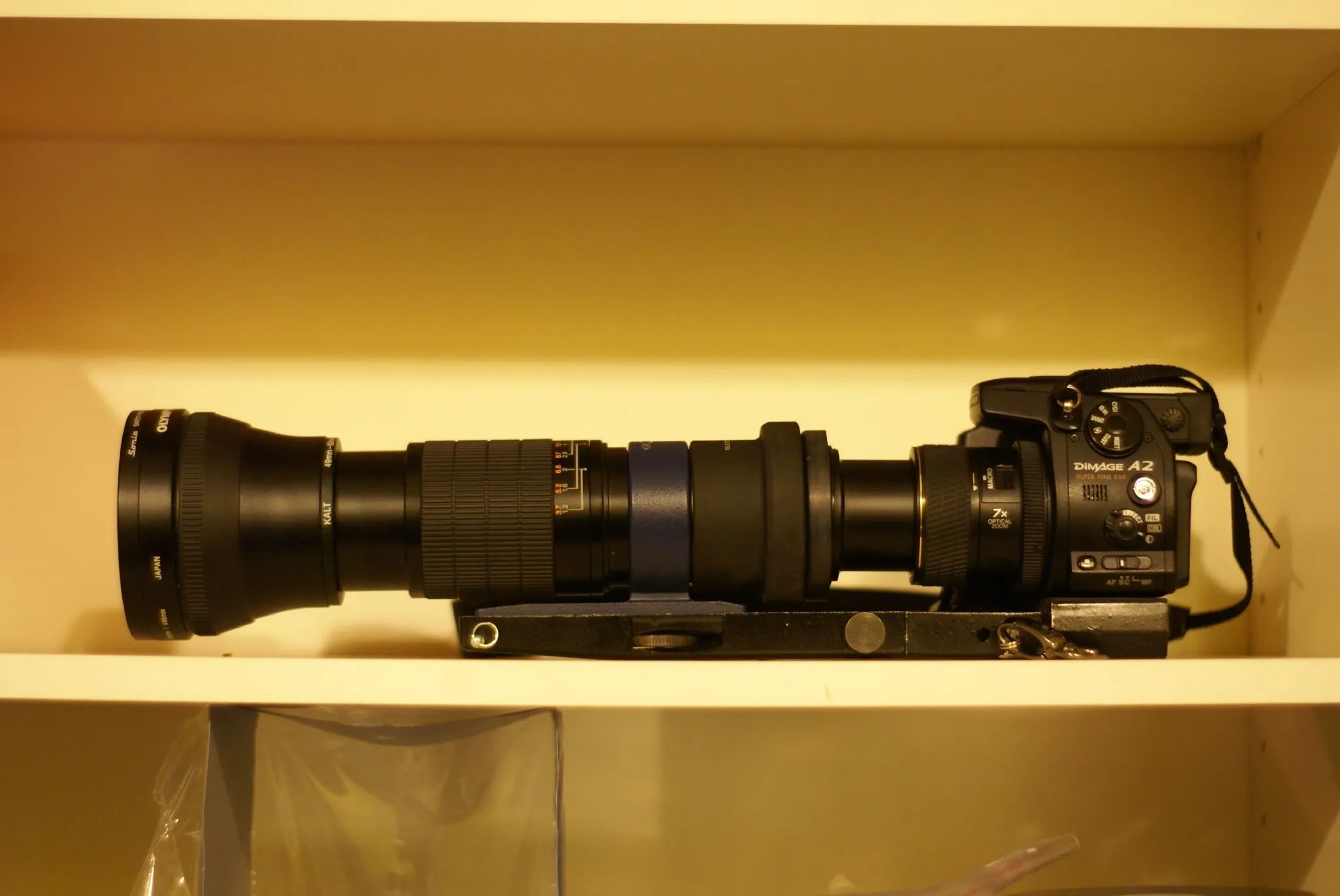
The following setup with Dimage A1 was completed in 2004 with a custom bracket built by a dude in Hongkong for Olympus Tcon300 (3X converter) and an addition of Tcon60 (0.6X converter), for a total of 960mm focal length. The photo shows Dimage A2, identical in size and form factor but with 8 Megapixel sensor.
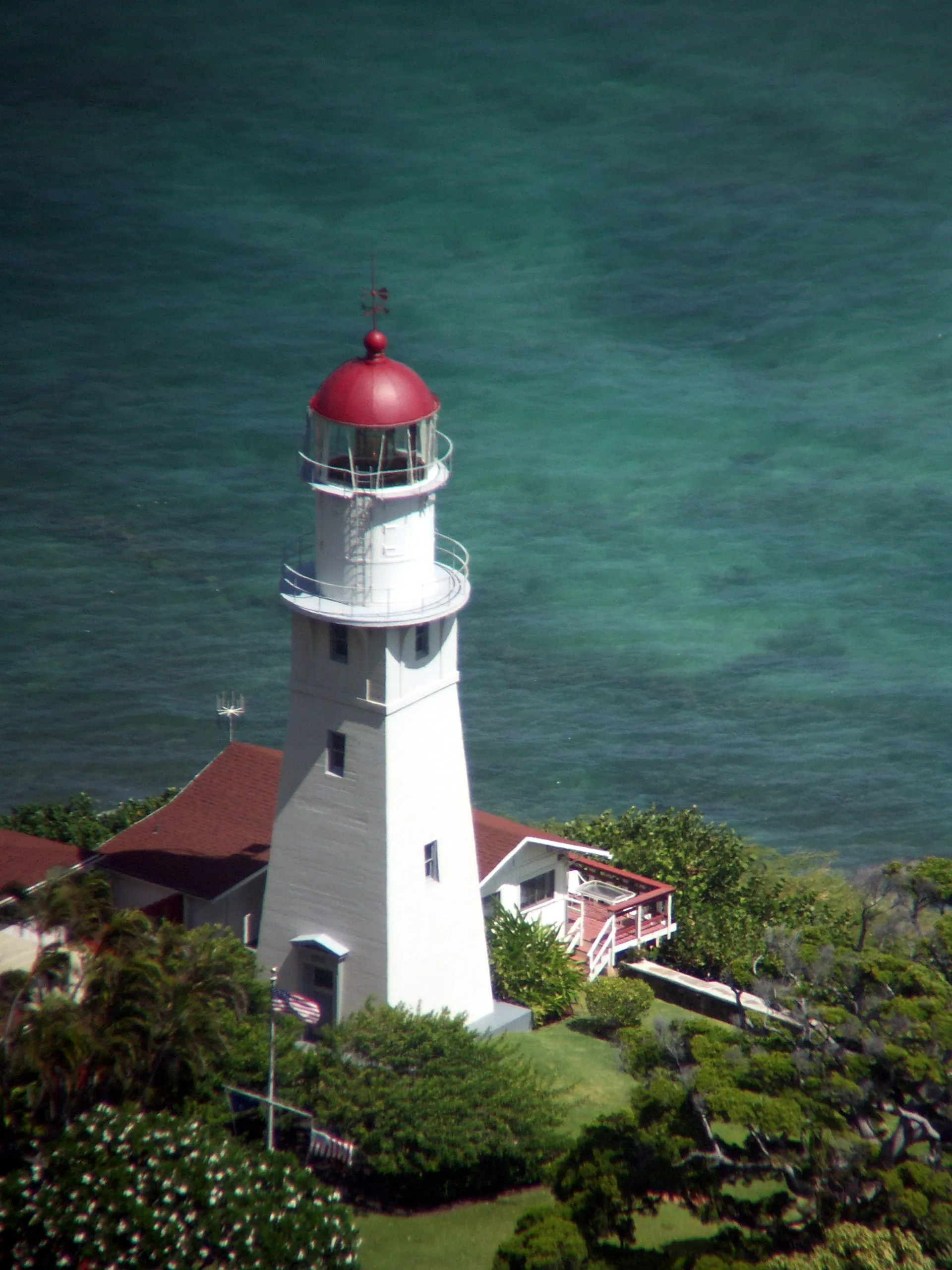
The below is an example of an image from the top of Diamond Head in Wikiki, Oahu, Hawaii. It was a challenge to lug that heavy configuration but the is the point. A casual conversation triggered a lifelong passion. Who knew!
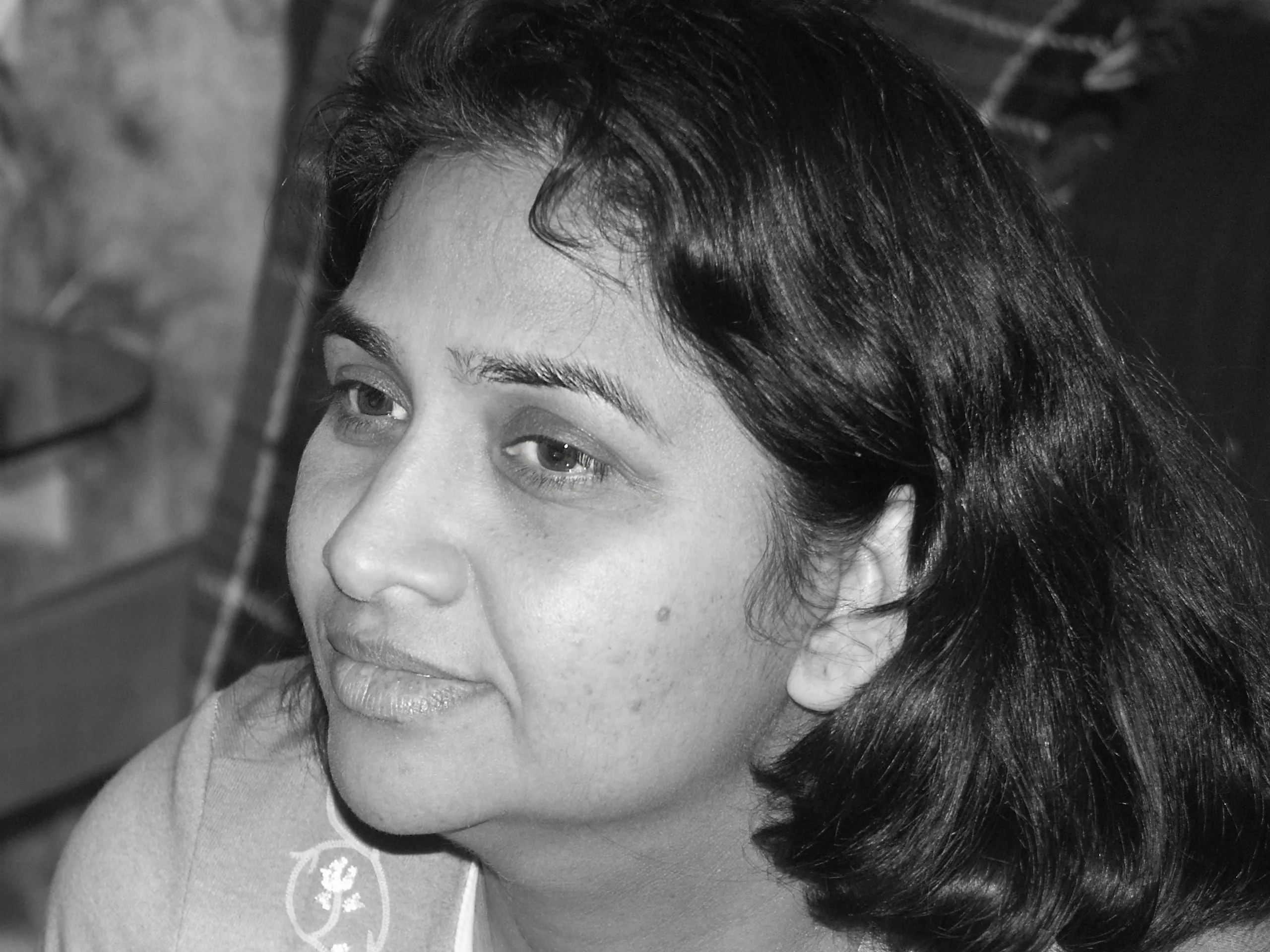
The image below is 39th image I took with my first digital camera circa December 2003.
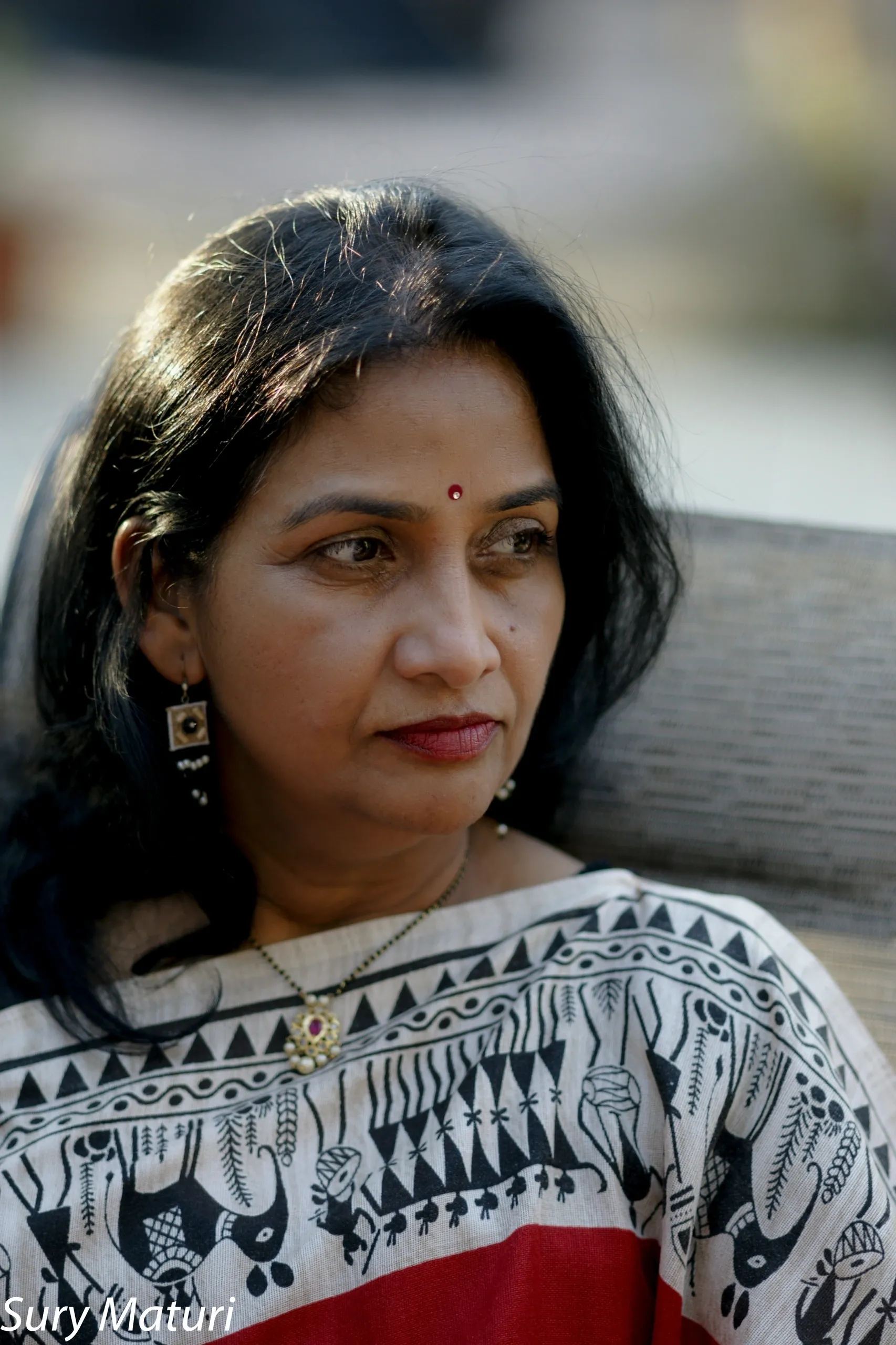
The one below is about two decades later, with my GAS at very high intensity, having acquired about 30 odd lenses in my long journey. The one below is taken with a 41 Megapixel camera and a highly specialized portrait lens from Carl Zeiss.
In my hindsight, I believe the simple quandary of Canon DSLR versus Minolta Fixed Lens camera and subsequent selection of the latter, had helped me grow as a “technical” photographer tremendously. Minolta, having lost a lawsuit against Exxon on logo copyright, sold the brand to Konika who subsequently sold it to Sony. Sony being an engineering company, made the camera amenable to various other lenses. The one such example is my daughter’s image taken with a Hasselblad lens (thanks Viggy) on a Sony camera with a $50 adapter.

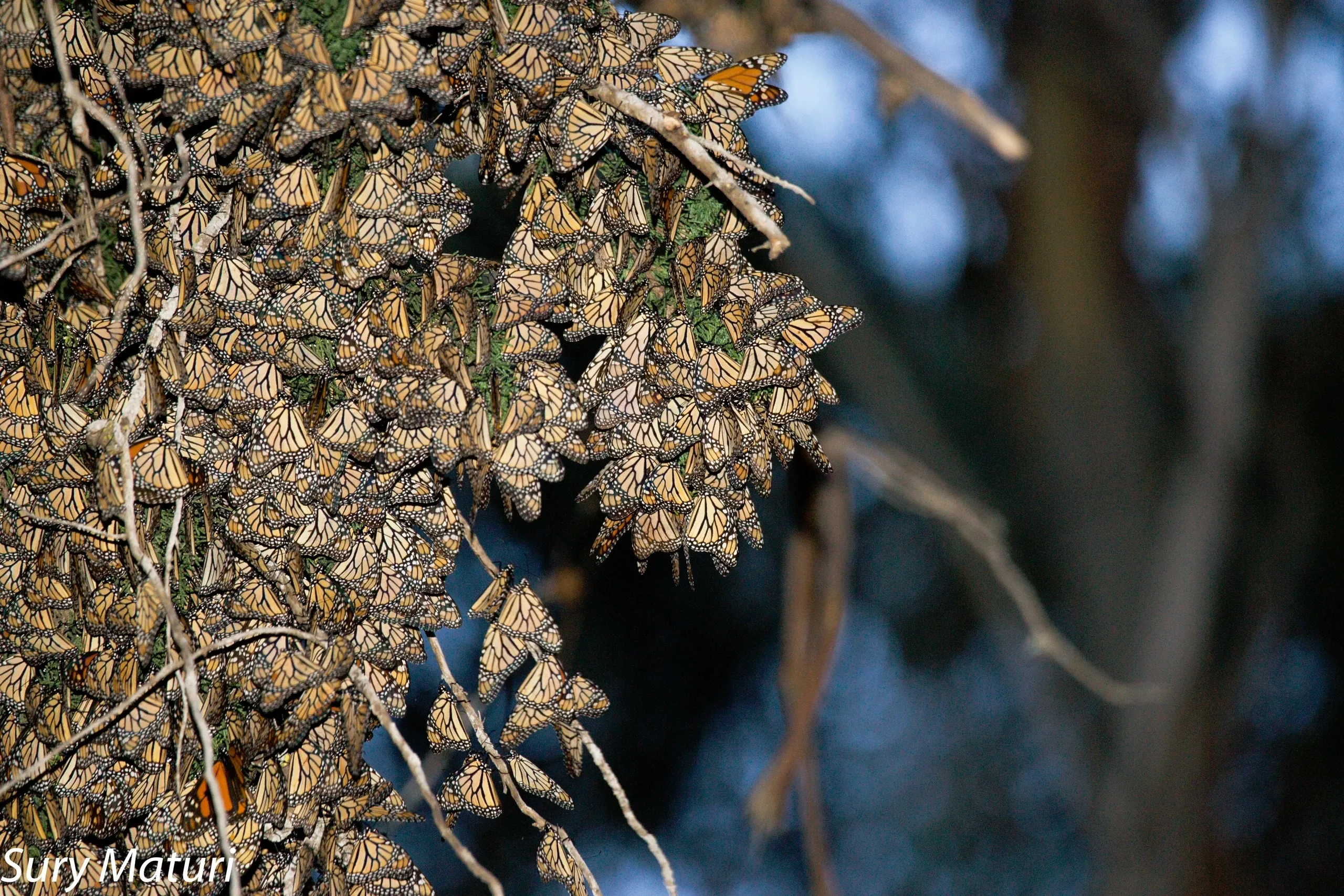
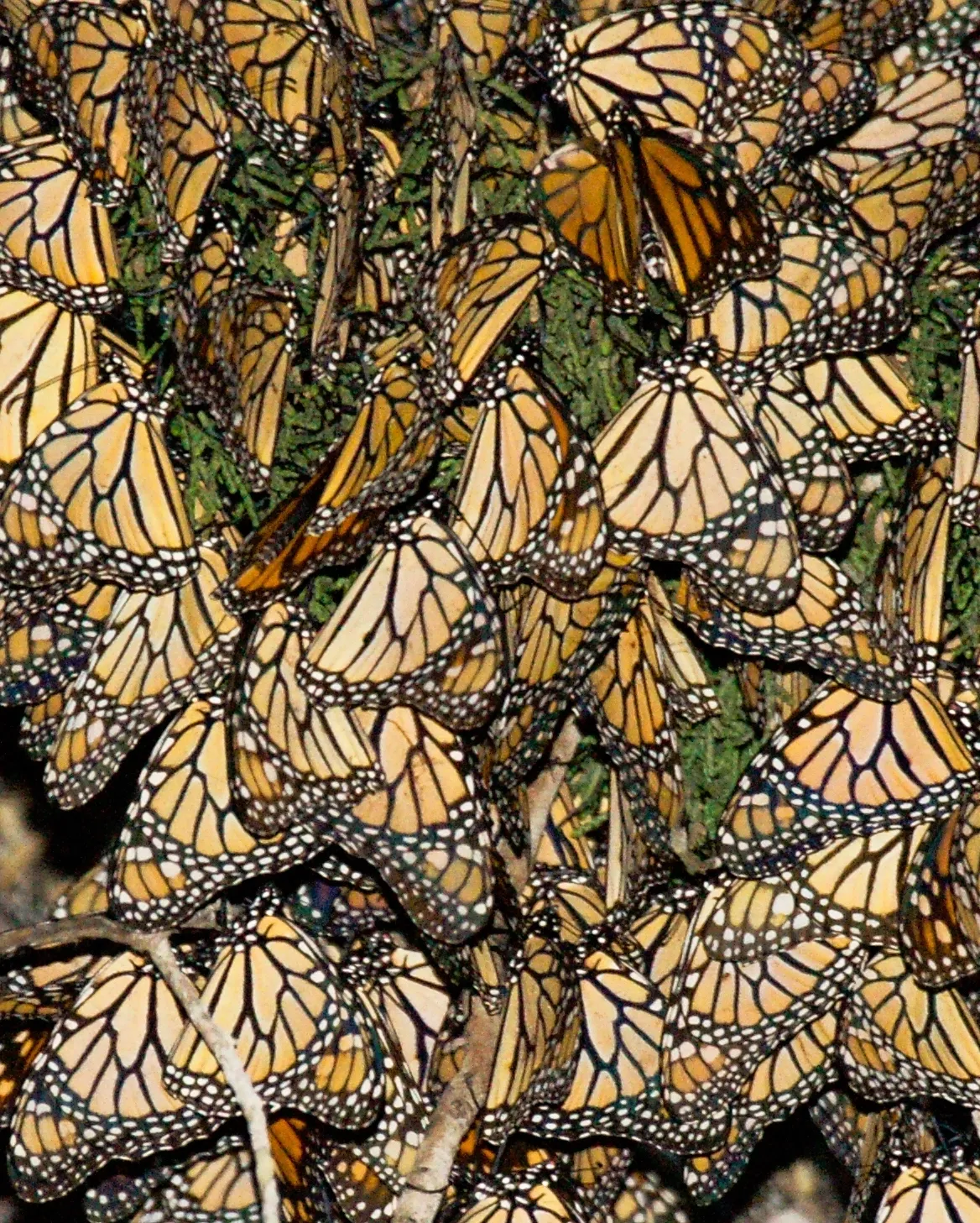
Epilog: The theme for this article was thanks to Mitra Pourmehraban , who is an avid lepidopterist or more like a lepidopte-phile, not a real word per se. In a conversation with her on some of my butterfly photos (#57 Ulysses Pact), the idea of writing on butterfly effect bubbled up. MP, thank you and here are couple more for you. Monarch butterflies resting in Monarch Grove Sanctuary, Pacific Grove, California.
Some of you have asked me how I get ideas for my articles. This is an example of a conversation on butterflies with an entomophile triggered an idea, albeit a tangential one, or even unrelated, I dare say on writing about Butterfly effect. A recursive definition of butterfly effect? I wonder.
“Never give up on something you cannot spend a day thinking about it” – Winston Churchill. Who knew a small conversation with my now estranged brother but I digress, a mighty gesture on his part, and a choice of camera would lead me on this passionate journey. Butterfly effect up close and personal indeed.
The butterfly effect is the sensitive dependence on initial conditions in which a small change in one state can result in large differences in a later state.
P.S. I offer my apologies in advance to those purist scientists among the readers if you feel I have trivialized the complex and sophisticated theory of chaos by comparing it to my rather mundane photography journey.