Myopic optimization is an approach that focuses on achieving short-term gains at the potential expense of long-term benefits. At this point in my life, with 30 years of diabetes taking its toll, and having veinous hemangioma, a congenital malformation of veins deep in basal ganglia region of my brain, I am constantly experiencing the conundrum of exercising myopic optimization aka one day at a time or follow what as the protagonist in one of the romcom movies I watched says “Time is the most precious thing. If we spend it on what we want, we may not have any left for things we need.”
Is my constant struggle with diabetes and the relentless efforts to manage diabetes an effort to add days to my life or add life to my days? Perhaps, it is both. My struggle has been fortified with medication, physical activity, the constant boot strapping of my emotional state of mind and replete with the existential angst of hypoglycemic episodes. I need to focus on the short-term gain of keeping my sugar levels under control at the cost of chemicals in my medication having adverse effects on my body long term, and yet these efforts are focused on not adversely impacting my longevity due to debilitating effects of diabetes. At this stage in my life, I feel that I did spend my time on things I wanted and now pondering on how much time is left for things I need.
Myopic optimization of my diabetes regimen and focus on long term health benefits. Interesting paradox, that one, isn’t it?
I am facing this conundrum or paradox or more precisely the emotional ambivalence and I do observe more and more of my aging friends and acquaintances have gone through or going through some degree of this emotional ambivalence.
While myopic optimization as applied in various fields is dealt with a very pronounced bias towards a binary model i.e. short-term benefit means long-term loss, I am realizing at least in my effort the short-term effect and long-term effect are not strictly binary in nature.
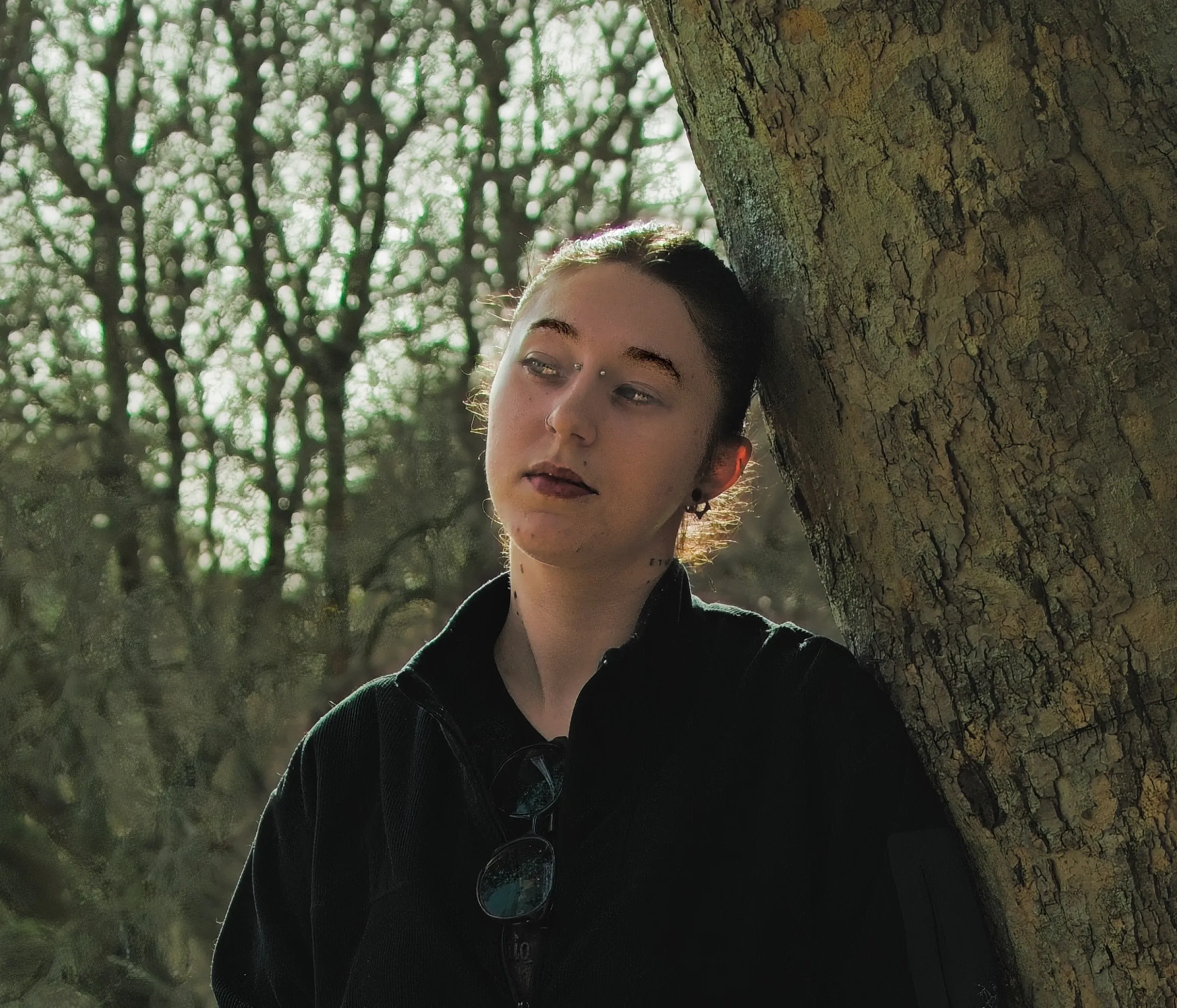
I will digress for a moment. One of the unspoken rules in photography workshops where photographers take turn is that one is never shoot over the shoulders of the photographer whose turn it is to do the shoot. This is very common where the workshop may set up different booths with different lighting set ups or if it is outside the photographers are organized in smaller groups and each member of the group getting a chance. I was not (made) aware of this “rule” till recently. I was seriously guilty of shooting over the shoulders as a myopic optimization strategy of getting as many shots as I could get both in my assigned time slots and otherwise. When I do my assigned slots, I have opportunity to set up the pose, lighting and expression (a keeper for posterity or long-term?) and when I am shooting albeit rudely over the shoulders, I am settling for where I am standing (not in the way of main photographer) and not to disrupt assigned photographer session. No guarantees of a keeper.
Here is an example of an image that was being taken by a designated photographer and I shot “over his shoulder”.

Though it looks like I was asking her to pose looking sideways, it was actually the side profile of the model looking at the camera to her right in a sassy way.
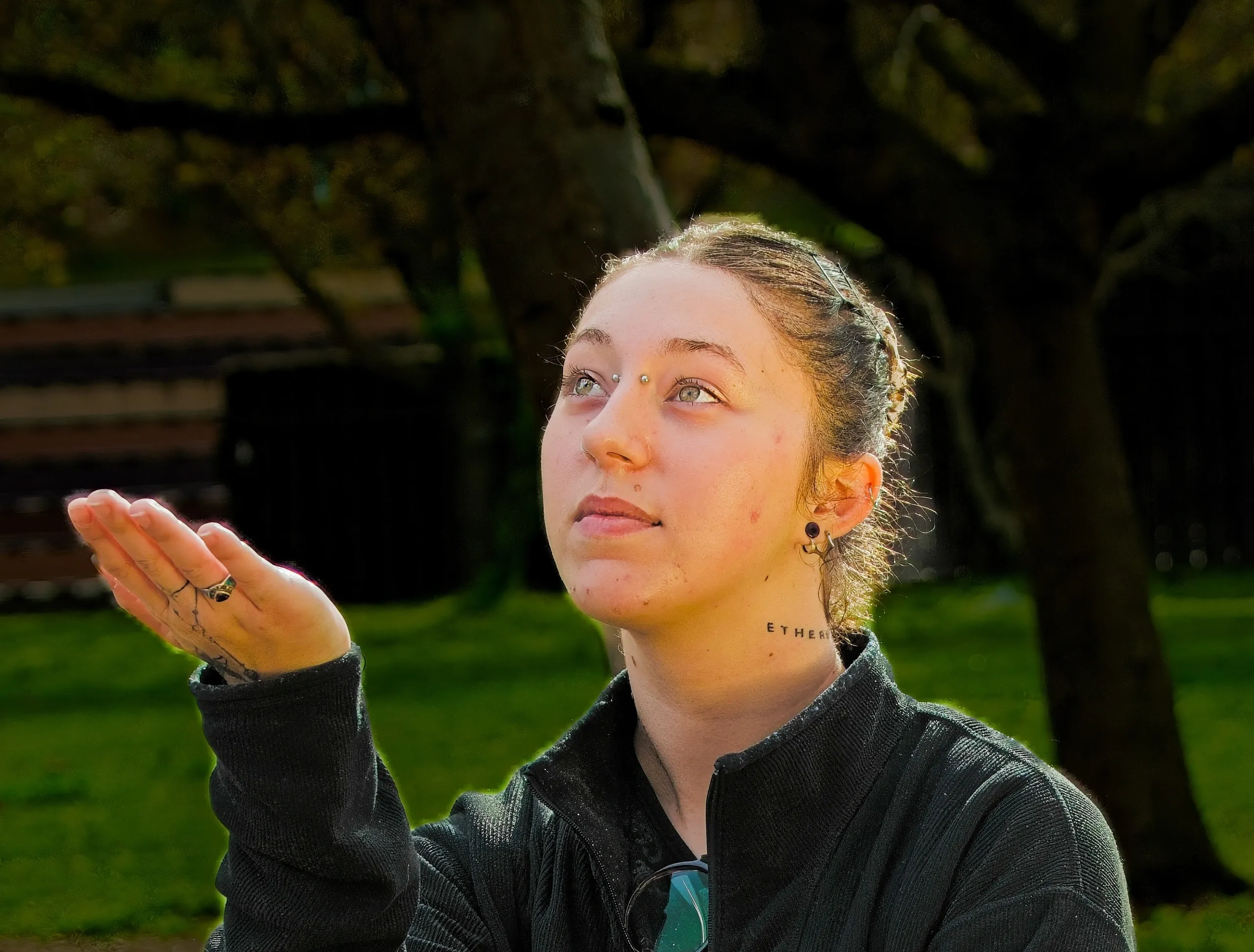
The example below is one I asked her to pose. I wanted her hair to be backlit by the evening sun. Artistic, it may not, but my vision, it is.

Another set of examples where I was shooting over proverbial shoulder and my own shot.
My own shot planned one is below.
Myopic optimization has been applied to American corporate culture and the farsighted vision is usually attributed to Oriental culture. In my view, it is not about either one or the other. You need both. The idea of myopic optimization is akin to one becoming healthier and the farsighted vision is akin to one getting stronger. I argue tenuously, I hasten to add, that myopic optimization could serve as a steppingstone and a building block of realizing farsighted vision if one keeps the goal of getting stronger and not be satisfied with just being healthier.
Denouement: Can I simply settle for one day at a time as if it is the end game? Should I look for more far-reaching goals to supplement and complement my myopic optimization?
Geek alert: There is some research in the field of myopic optimization that is looking at combining short-sighted optimization with far-sighted reward. The current focus is on machine learning, and I can’t wait to see how this can be extended to other areas. They even named it MONA ( [2501.13011] MONA: Myopic Optimization with Non-myopic Approval Can Mitigate Multi-step Reward Hacking )
Myopic optimization of my diabetes regimen and focus on long term health benefits. Remains a paradox for me at the moment. My photographic conundrum seems to be of much less of a concern, I think, as you can see from the above photos.
Epilog: I wish you all a very happy new year and abundance of happiness in 2025 and years to come. May you be free of facing any paradoxes and have a pleasant journey in this adventure called life.