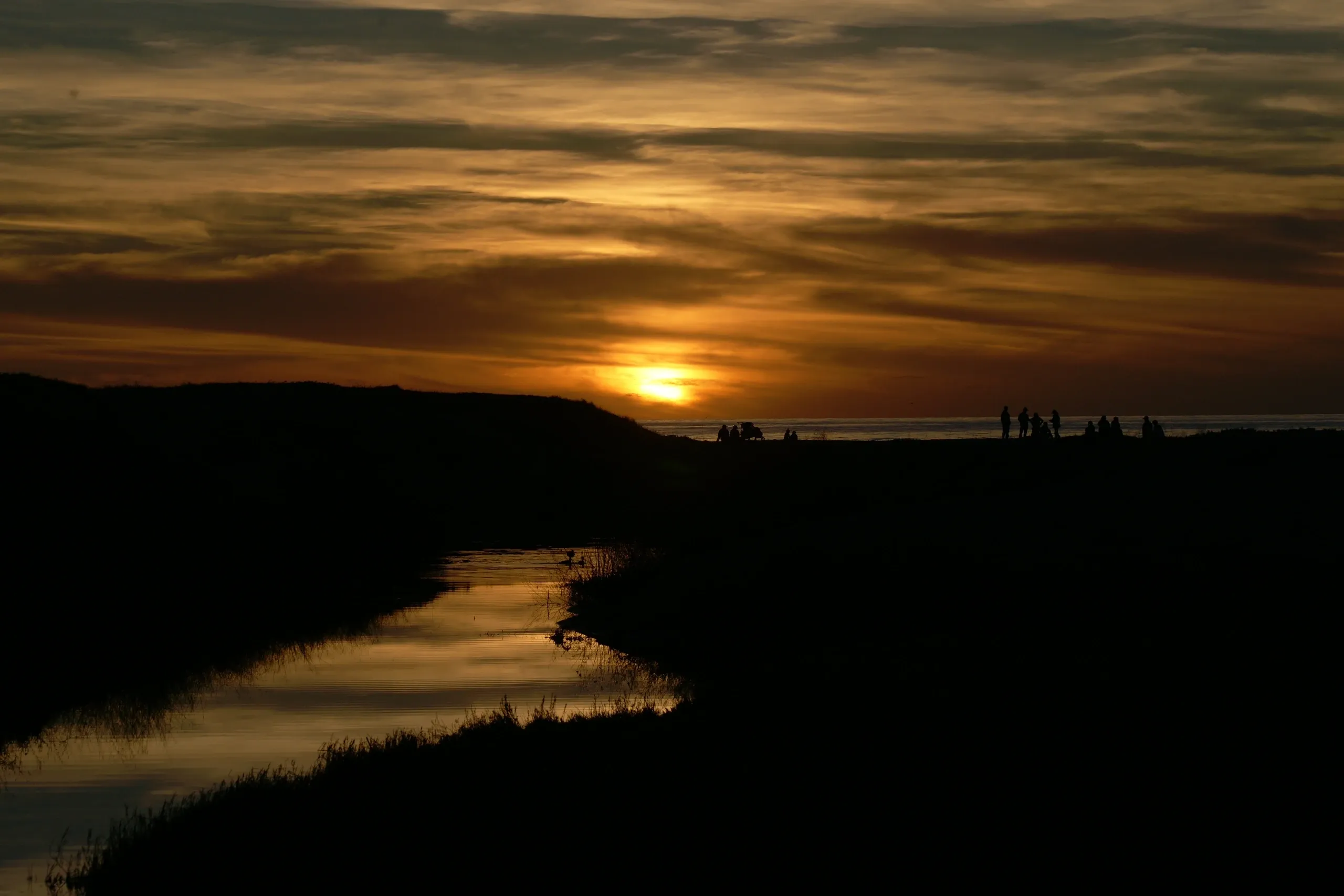
A recent exchange with a photographer triggered the theme for this article. I submitted an image that is taken at Monarch Beach, California. The sun was setting, and I did not have a tripod for long exposure. The photographer who has her own TV channel and is considered an expert in her field was responding to my post and said I over did the shot. I could have taken a single shot as effectively if I were to use a tripod and long exposure. The tone of her reply was condescending (to me at the least), because she completely ignored the fact that I did NOT have tripod at that point. We exchanged few replies back and forth. As the conversation was turning argumentative, I kind of replies somewhat facetiously that I did it because I can. That was the end of that thread. I thought she was trying hard to defend her stance and posturing has taken place.
The conversation was on back of my mind and I started to introspect. Was I wrong? Let me share the background and some details. The image I posted was an HDR image with 5 shots. I explained my rationale for bracketing the image. It was dusk, sun was setting, and the foreground light was poor, but the sky is relatively bright. Since I did not have a tripod and ND filter, I surmised single shot is not an option. I could do without the ND filter, by taking two exposures, one metered for sky and the other for the foreground and composit them later. But the afore mentioned technique still requires long exposure shots and I am back to square one – no tripod.
I thought it was very clever of me to think that I can use the HDR for low light photography. You see, the HDR technique is typically used when there is a wide range of light in the scene. Bright sky, and shadows containing details. The brightest to darkest values of light is the range (highlights and lowlights respectively) that often exceeds the ability of the sensor in the camera to capture those details. Therefore, the technique used is to take a bracketed shot. In the simplest case, you take 3 images. One is the normal image as seen by camera; the second one is an overexposed image, and the third one is an underexposed image. Later a software will enhance the normal image by taking highlights from the underexposed image, lowlights (details in shadows) from the overexposed image and merging them with normal image using a technique called tone mapping. The resultant image is an enhanced version of normal image.
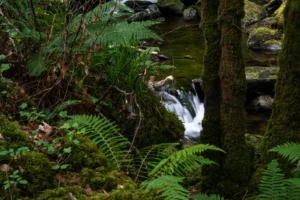
Given the typical scenario for HDR, low light HDR photography is a farther from being ideal. These images were taken in 2014 near Monarch Grove, California.
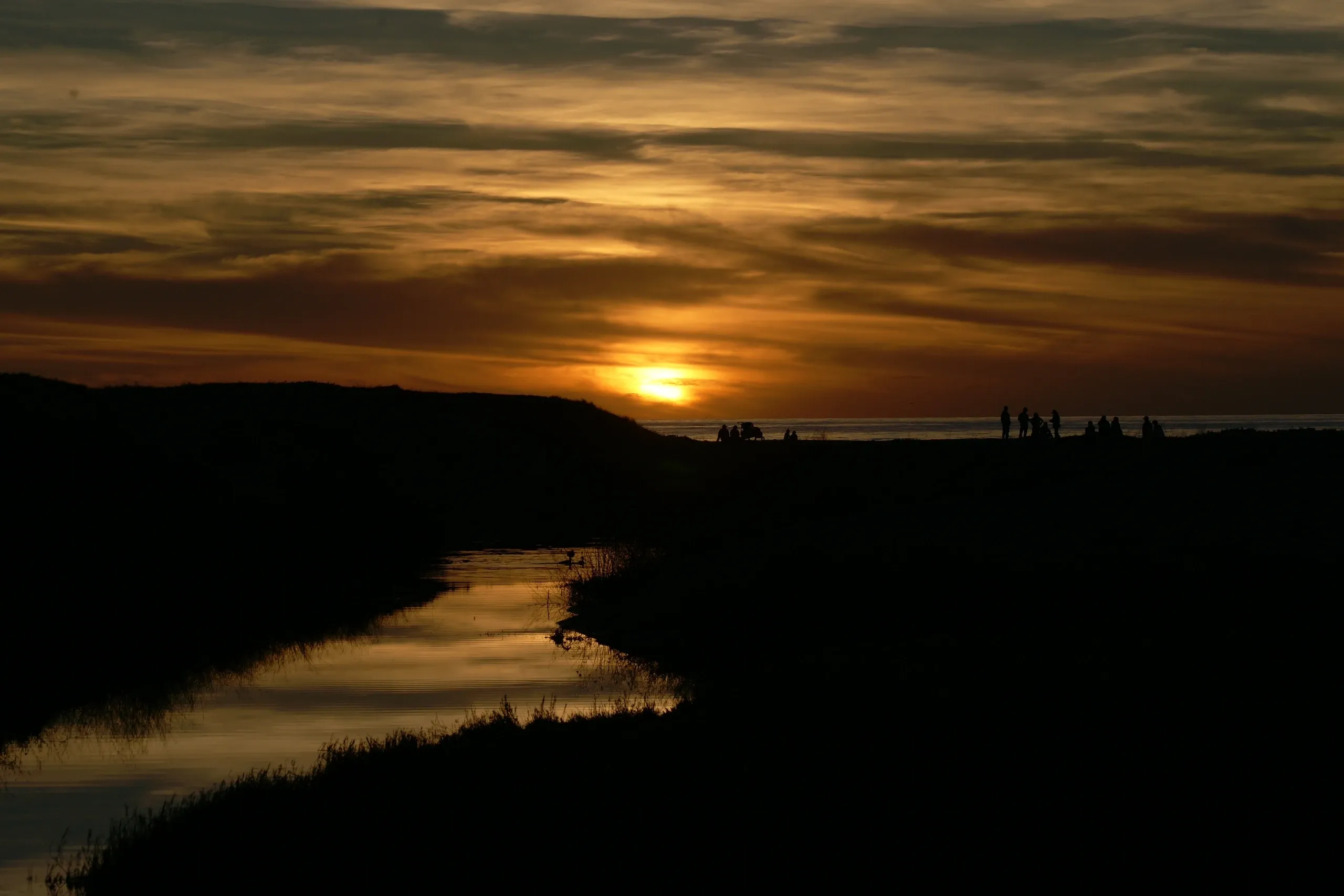
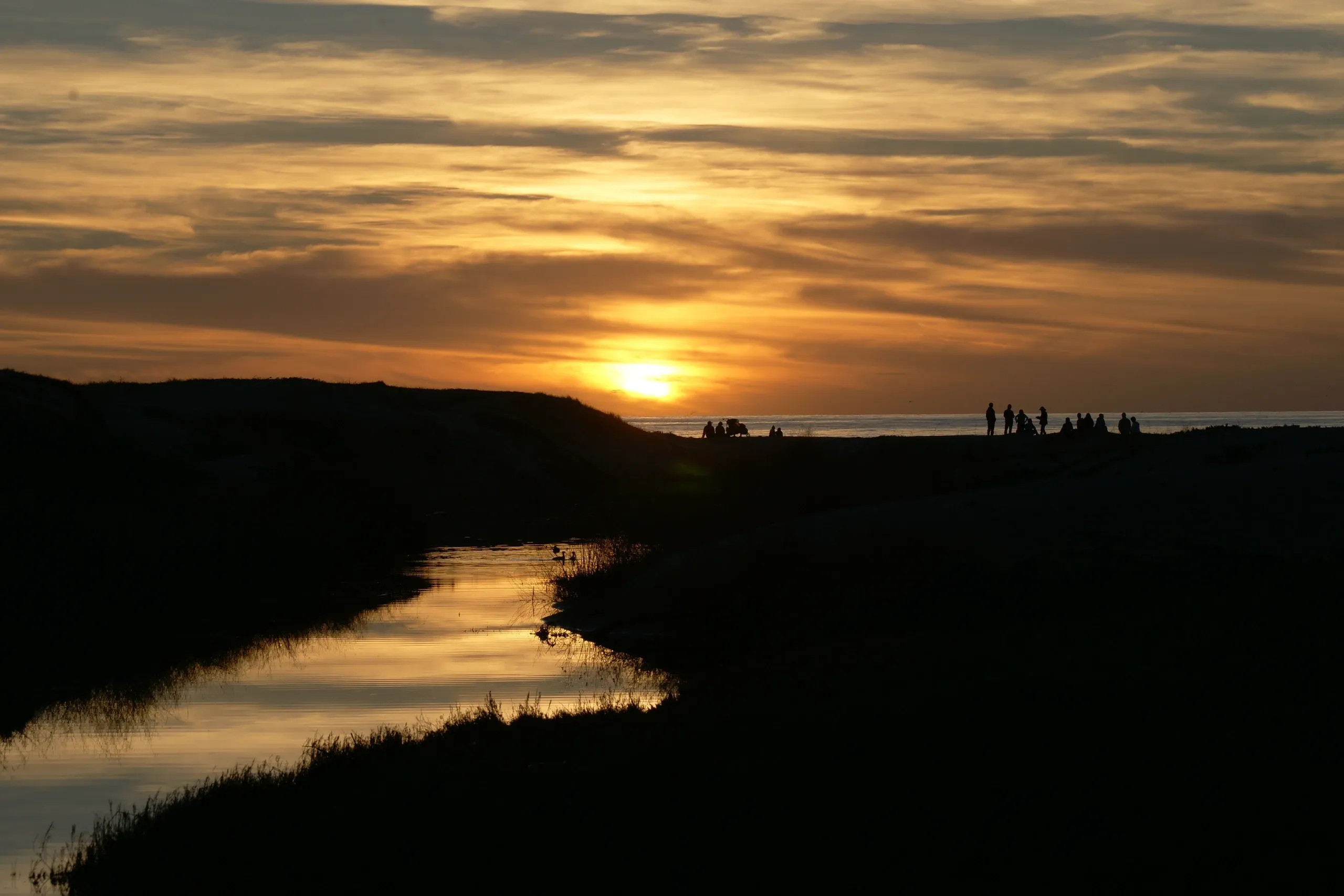
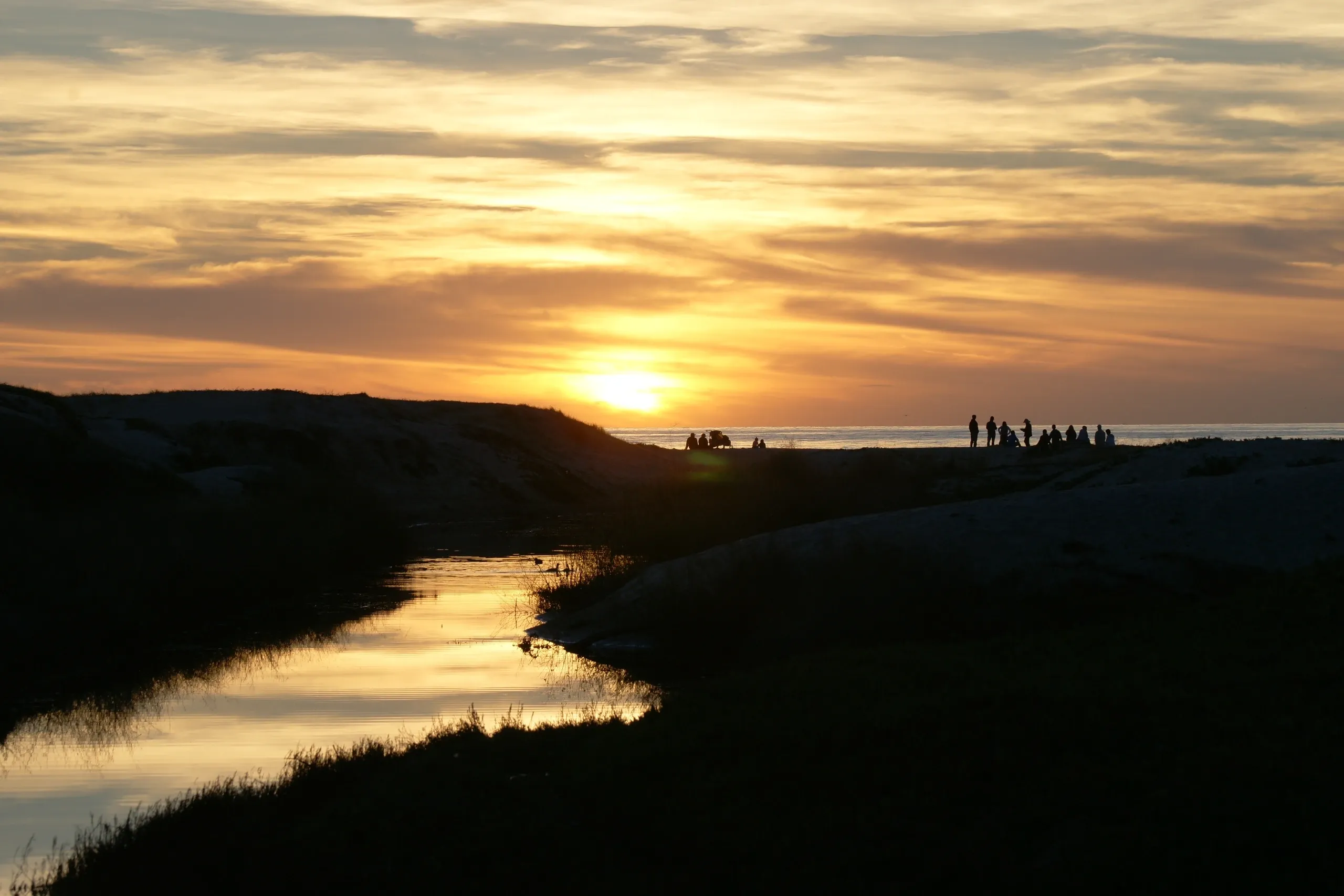
As I explained above, the expert photographer was suggesting I could with one image like the third one above by exposing it for the long time which is a standard practice. She was arguing that I over did and even though I showed her the final result (which triggered the discussion) her “professional” pride would not let her see my point of view. It was too late since the posturing took over. Let me share the final result and let you be the judge.
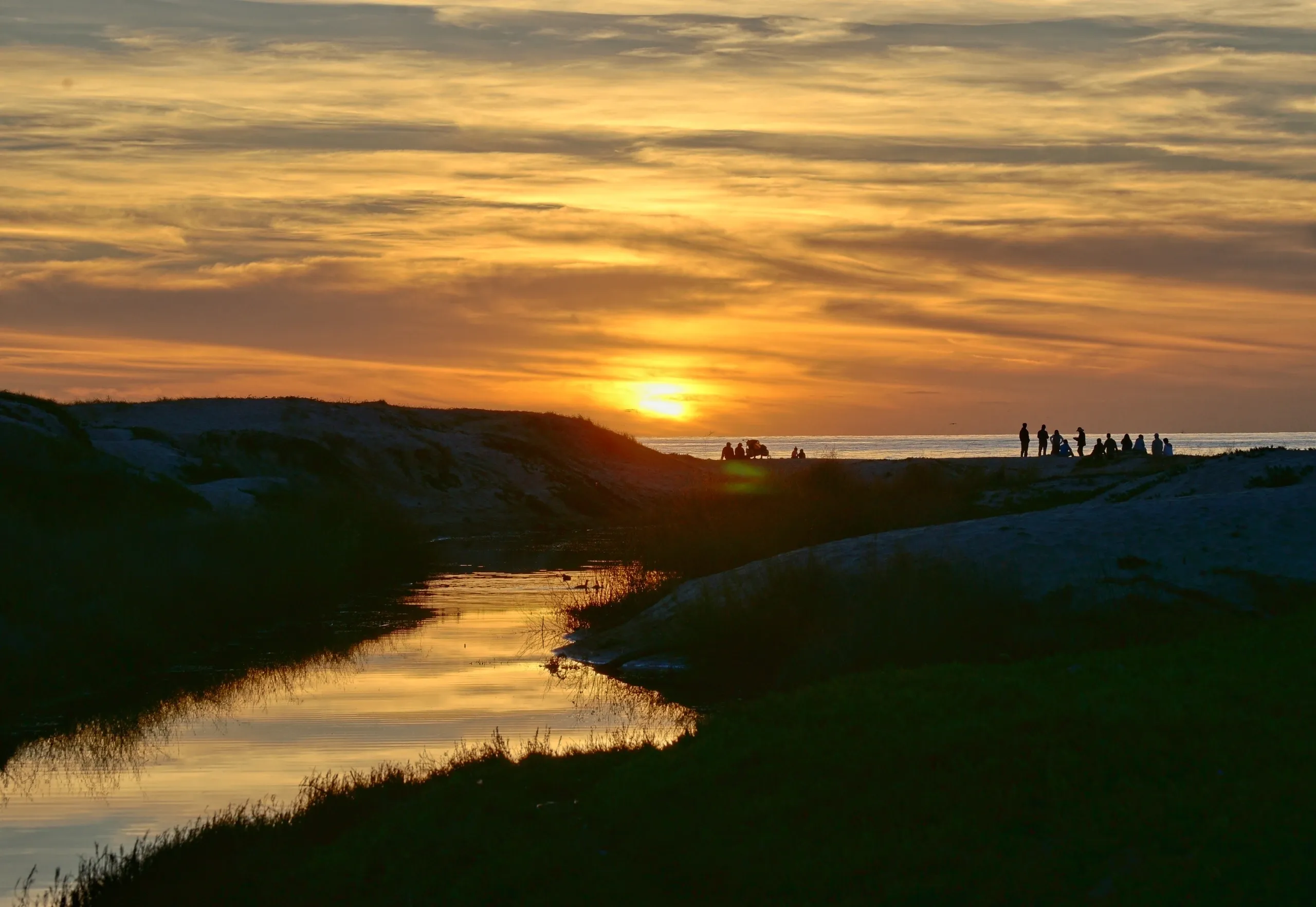
If you can see the images on a big monitor, you can see more details and hopefully see what I am talking about, so far. For me, the technique worked well, and since then I have been a big fan of HDR shooting irrespective of the lighting conditions. Though the conversation with that expert photographer was recent, I feel victorious, though it may be pyrrhic victory, nevertheless since she is an acknowledged expert in landscape photography. I applied that learning to the ultimate dark photography, Milkyway. If you can please (re)read my article #50 (link here: #50 How wise it is to follow Conventional Wisdom? (iaafl.info) you can see what I mean. The final result in that capture was a 9-image bracket shot and I am fairly confident that none of the other photographers in that photo workshop took bracket shots.
Now I leave you with a question to ponder. Why do it when you can overdo it? Is it not worth your while?