Zeitgeist – the general intellectual, moral, and cultural climate of an era. If I were to add photography to the definition of zeitgeist and call it the general intellectual, moral, and cultural climate of a photography era, it would become the theme of this article.
I renewed my childhood interest in photography, which was strongly discouraged while growing up due to a cousin wasting his money and career in photography, circa 2004. Consumer level digital photography was about a decade old, and Adobe Photoshop was in market for about decade and a half, and computer manipulation of digital images aka post processing is just coming into being accepted, albeit barely, as normal.
Zeitgeist: There was a raging debate between purists and technology adapters on the computer manipulation of the photos. Purists believed that any manipulation on the computer is a compromise of the fidelity and integrity of the image. Ironically, the same purists would spend hours in the dark room manipulating the same images or keep idolatry amazement bordering on reverence at the practices of icons of the time, e.g. Ansel Adams. The notion of “digital” dark room was just coming into currency, and the purists dismissed the “digital” dodge and burn, for example, as a blasphemy to the art of photography.
Since the first introduction of digital editing software (tools), the debate has been raging on about post processing a digital image and the war went on for about couple of decades and only at the turn of millennium, Adobe’s product, named Photoshop became a verb and colloquially “photoshopping” as become synonymous with digital manipulation of images.
Take a look at the two images below.
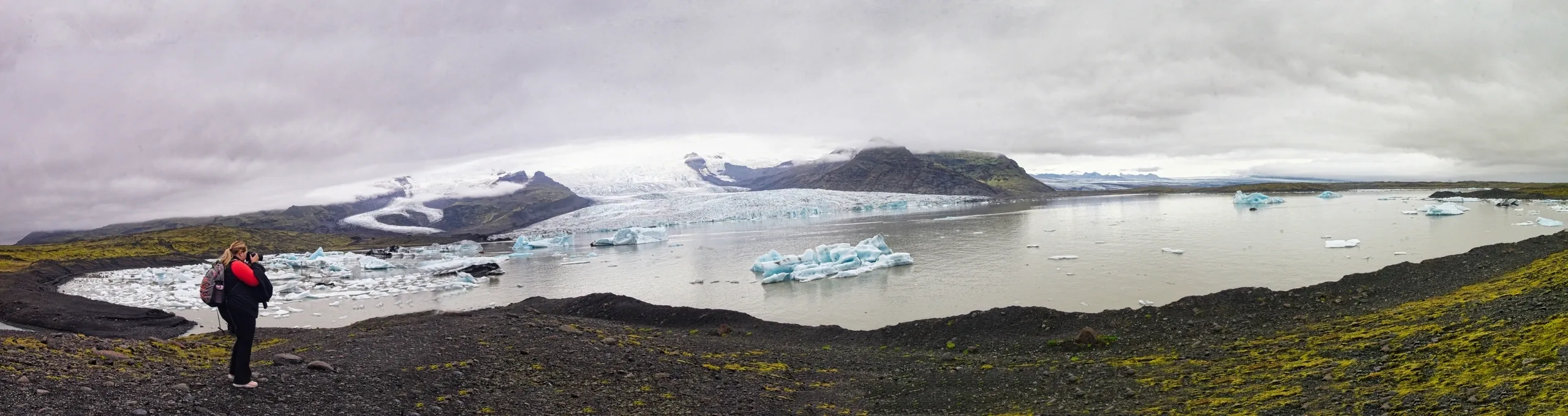
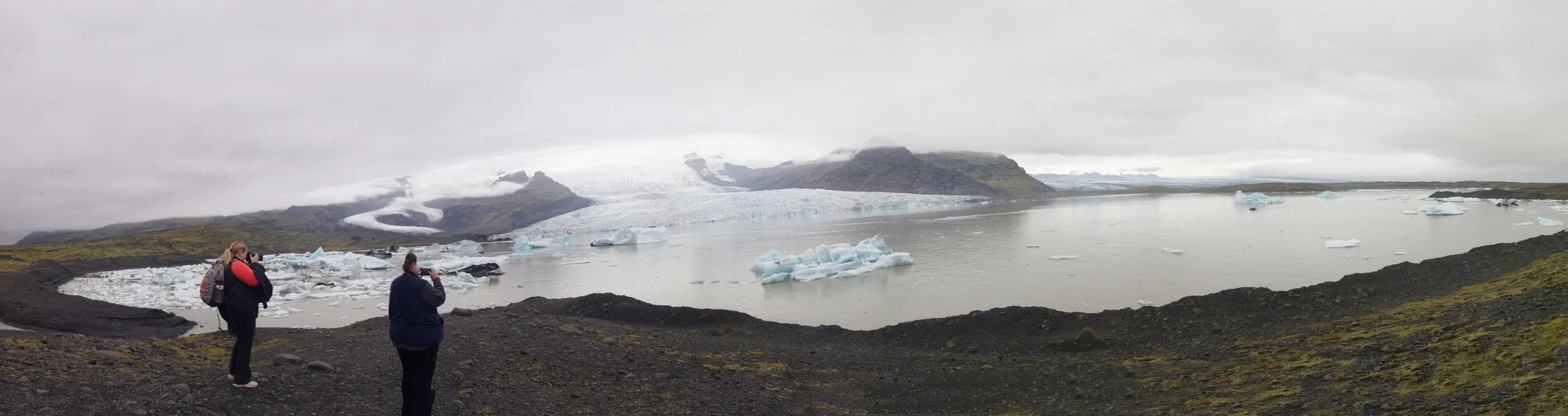
The second image is a result of editing the first image in a Photoshop like tool. I have erased out the person on right side using standing erase and clone tools typically available in any photo editor worth its name. No one raises an eye brow with the editing, a far cry from three decades ago.
Zeitgeist Now: Two decades later, we are seeing the exact parallel with artificial intelligence and its proliferation into digital photography. Just when it has become acceptable to manipulate images, the new AI based photo editing tools are becoming more and more a norm and the same debate now rages on. The second image has been manipulated by using an AI technique called genswap (generative swapping; generative is the term used for AI based tools) in one of the photo editors that I frequently use, and I have “asked” the program to replace the lady with landscape. The result is shown below.
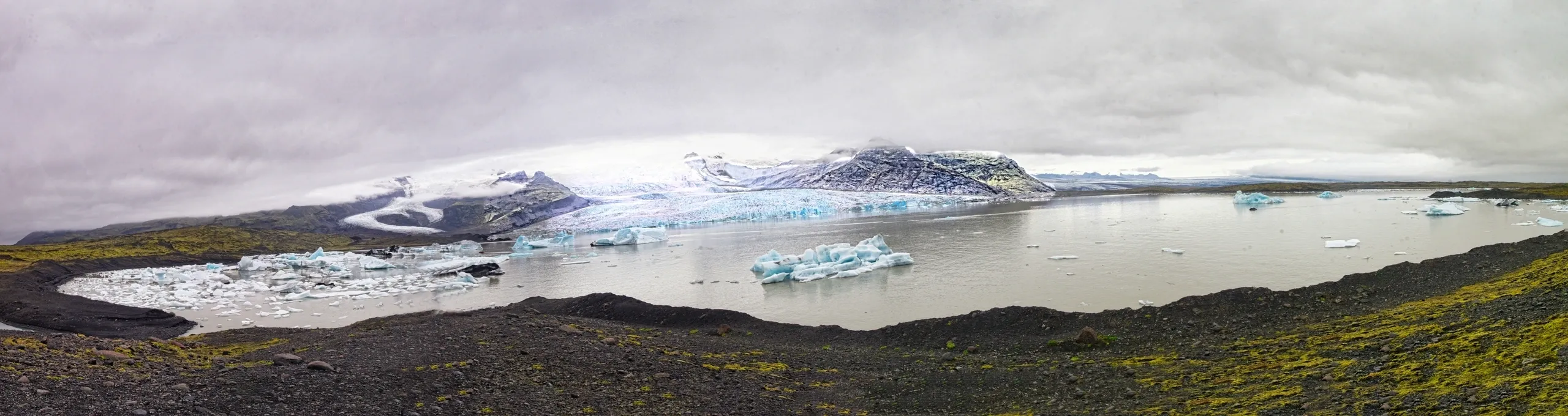
When I submitted this to a photography forum, with before and after (second and third images above), I received mixed reviews. I heard very similar sentiments to what I heard couple of decades ago about “photoshopping”. To me it is a feeling of Deja vu, having lived through the debates on photoshopping or not, and now it seems to me that most of the critical voices are experiencing Jamais vu.
Epilog: I hypothesize that the technology is transforming at such a rapid rate, that I am experiencing Deja vu whereas up to my previous generations, such debates where always Jamais vu. It is very ironical that most of us are familiar with the term Deja vu, whereas more often than not, we experience Jamais vu.
PS: “Déjà vu” is a French term that literally translates as “already seen,” and opposite of that phenomenon is known as “jamais vu,” meaning “never seen” — a term that describes a sense of unfamiliarity with something that should be familiar.