Torschlusspanik – Worrying that you are running out of time. The word “Torschlusspanik” is a composed noun. This means that it consists of three singles nouns: das Tor (the gate), der Schluss (the end), die Panik (the panic). Now, you might ask yourself, what Germans would like to tell you with this word and what a gate, an end, and panic can mean together?
The answer is quite easy! It means that one is panic about the fact that “the gate” will close soon. “The gate” is a metaphor and it describes the fear of missing something because you are running out of time. This could be career opportunities, finding a partner or having children.
We can find the roots of this word in medieval times. Back then, if you did not make it inside the city wall before the gates closed, you were exposed to criminals, thieves, and attackers that all were expelled from the city. As a consequence, people were in a panic to miss the closing time of the gates.
I am reaching a point where torschlusspanik is becoming more of an everyday reality. A few incidences in the past few months have only reinforced this feeling that is enveloping me. A recent catastrophic event has made this feeling embedded deeper than in the past. Peripeteia is lot closer that I accepted though there were plenty events in my life in the past have taught me this lesson. I was in a kind of denial.
My latest episode of torschlusspanik was triggered in the first week of September 2026. I had my cataract surgery on August 24th and was recovering. Then on August 26th I came to know that there was a flash flood caused by a breakout glacier in Nepal. As it turned out two of my classmates Vasundhara and Hanumantha Rao (aka Manlu), wife and husband, both professors at University of California, school of management at Davis, California, and Manlu is the dean of school of management on sabbatical, happened to be at the place which took the brunt of that flash flood. They were there on a Hindu spiritual hike (parikrama) to Mount Kailash.
Flashback: As it happened, Manlu visited us on July 2nd and stayed with us overnight. On July 3rd we went on a hike as a practice run for his planned hike couple of months down the road. After about couple of miles, Manlu and I slowed down a bit and Jaya was ahead by about 100 feet or so. Manlu suggested I should also embark upon the spiritual hike given my fitness. I gently dismissed the idea stating my camera and photography are my meditation and that is good enough for me. Manlu smiled and said “yep, each to their own” and asked me what my next challenge is. I mentioned that I am struggling with astrophotography and went into details that I describe elsewhere in this article. Manlu said, as a teacher and a friend all I say is keep at it, and knowing you, it will happen. Then we moved on to other things. Couple of weeks after all the catastrophic event and the dust is settling down, I felt torschlusspanik, on September 7, 2026, to be exact.
Fast forward to Present: For a long time, I wanted to take up astrophotography but kept postponing to another day. I always assumed you need dark sky (Bortle 5 or less) in order to get these out of the world images. Astrophotography is an expensive hobby. One needs a very high-quality telescope, and then the expenses start piling up: electronic focusers, filter holders and wheels, rotators, guide scopes, imaging filters, collimation tools and tripods to name a few. At least that is what I had in mind in order to engage in astrophotography. I have been checking out various telescopes Dioptric, Catoptric, and Catadioptric (Newtonian, Schimdt-Cassegrain, Dobsonian etc.), and have an 800mm reflecting telescopic lens for my camera in addition to a T2 mount for my camera to a telescope. My big limitation is that I have very little knowledge about space in terms of orientation. I am that proverbial lost in space individual. No idea what polar axis (RA axis), sidereal rate, Right Ascension and Declination mean. I could understand each of the words that made up their definitions but not a single sentence. I have tinkered with the setup off and on for the last decade or so with no success at all, let alone any measurable success. I had to be content with taking moon shots with my long zoom lenses and about four years ago started capturing milky way images, again with my camera and lens.
About 10 years ago, first smart telescope was introduced and was priced in lower 4 digits. At that time, I felt it was not a worthwhile investment given my limited knowledge and lack of understanding of things astronomical. As I have been tracking the prices on and off, and as it happened, they started coming down to a more reasonable (at least to me) level and in April 2026 I bought a smart telescope for less than $600.00. I tried to use it and failed miserably. I tried to take a picture of Radar tower on Mt. Umunhum but could not successfully capture it. At best I did was capture a flowerpot that is about 20 feet away in the backyard. I posted it in our family chat and immediately got a reply back from my son.
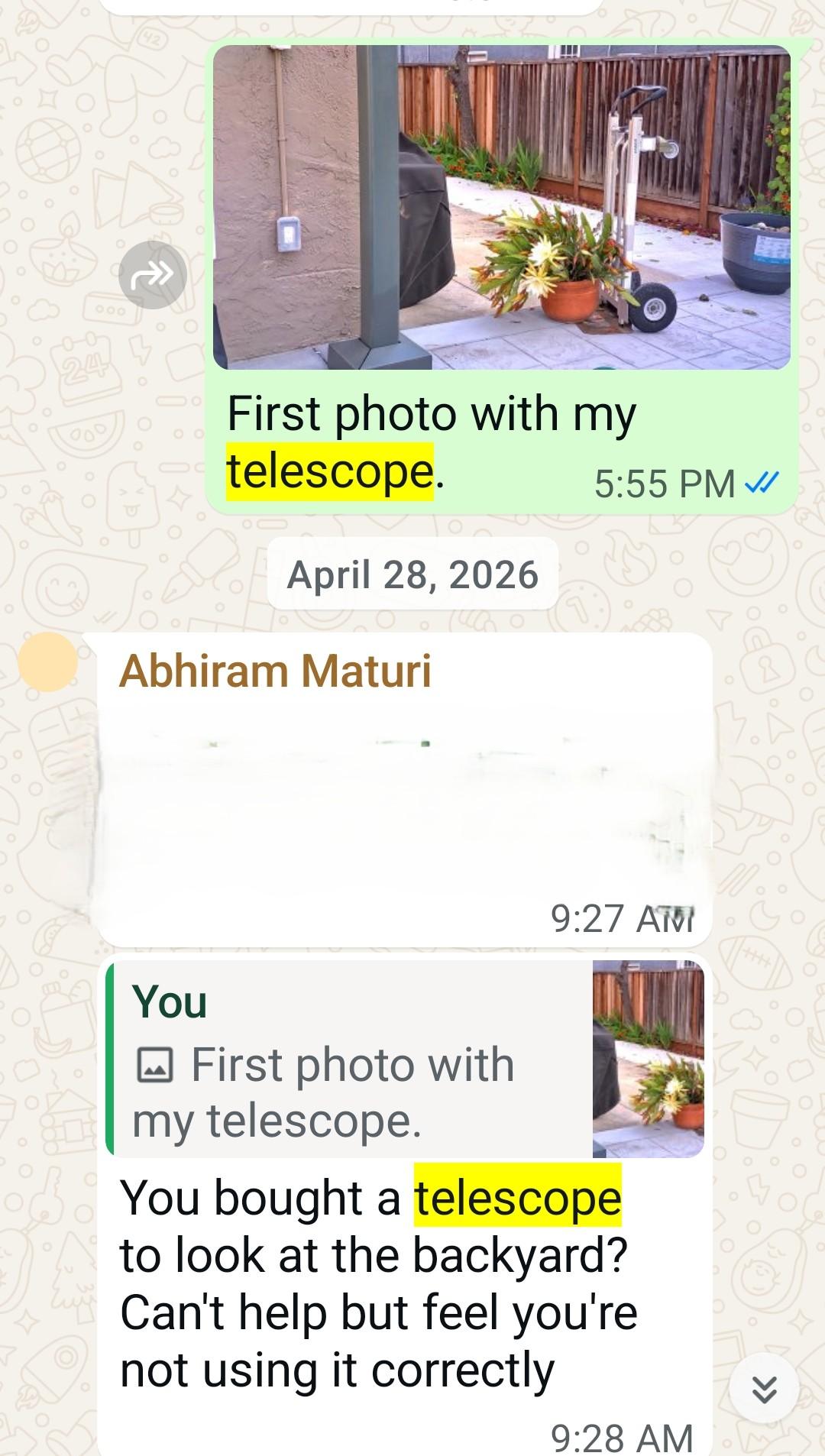
That sassy rascal!!!
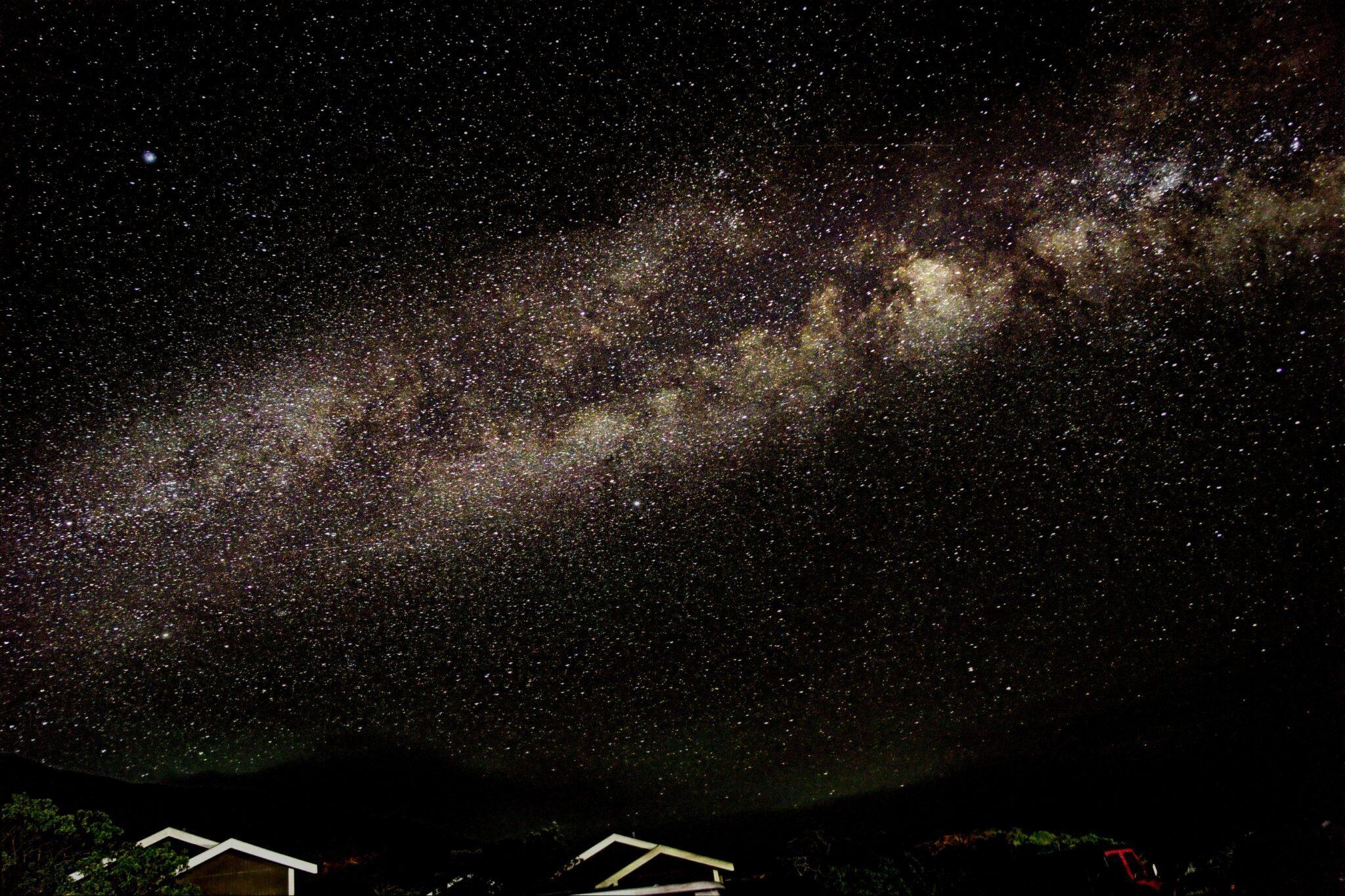
It is not that I have not had successes with my camera and zoom setup as the following two examples establish. The first one is from Mouna Loa, Big Island on a recent trip.
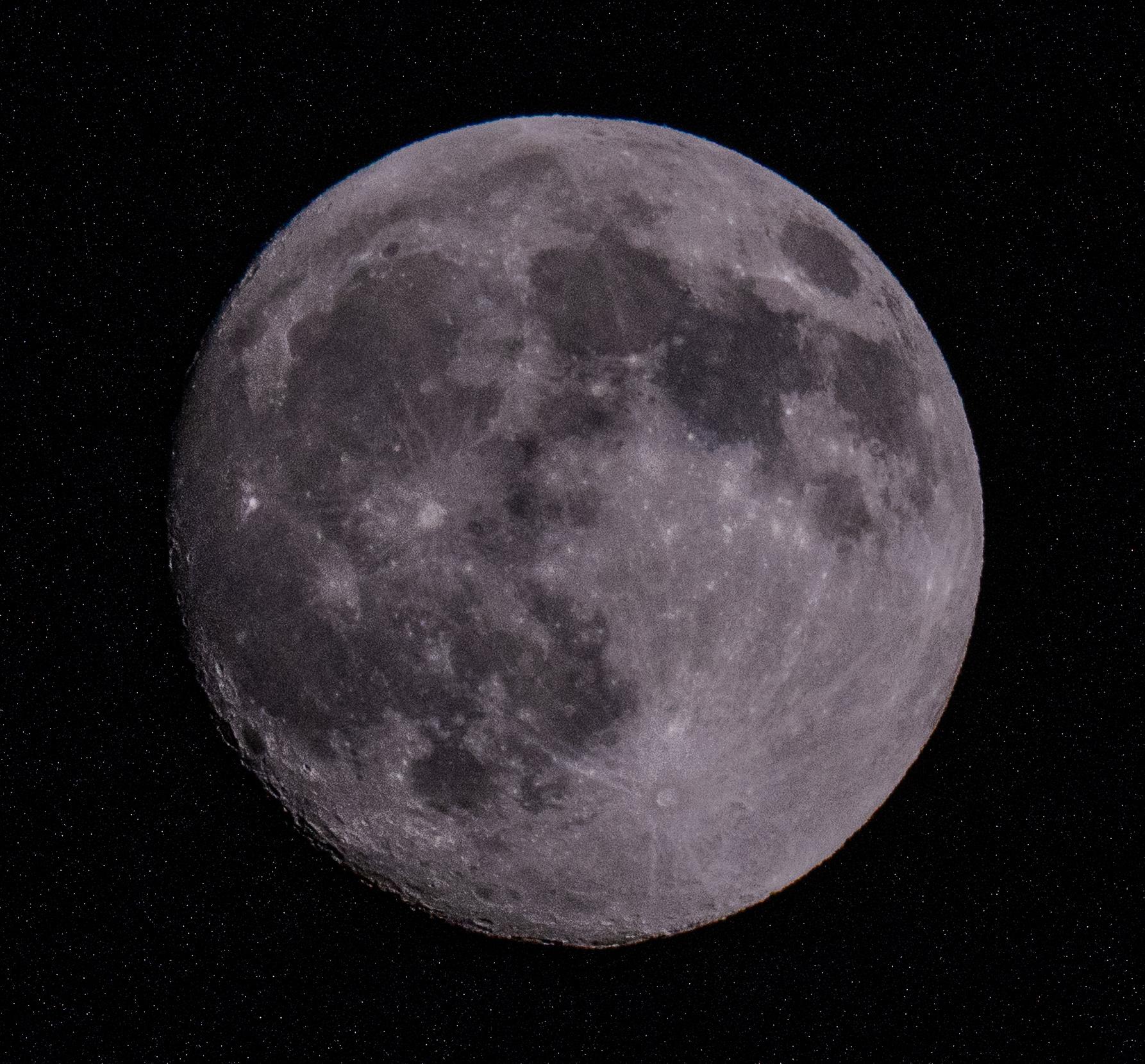
The second one is from the front of my home with my camera and a zoom setup of the farmers moon (harvest moon) in September 2026.
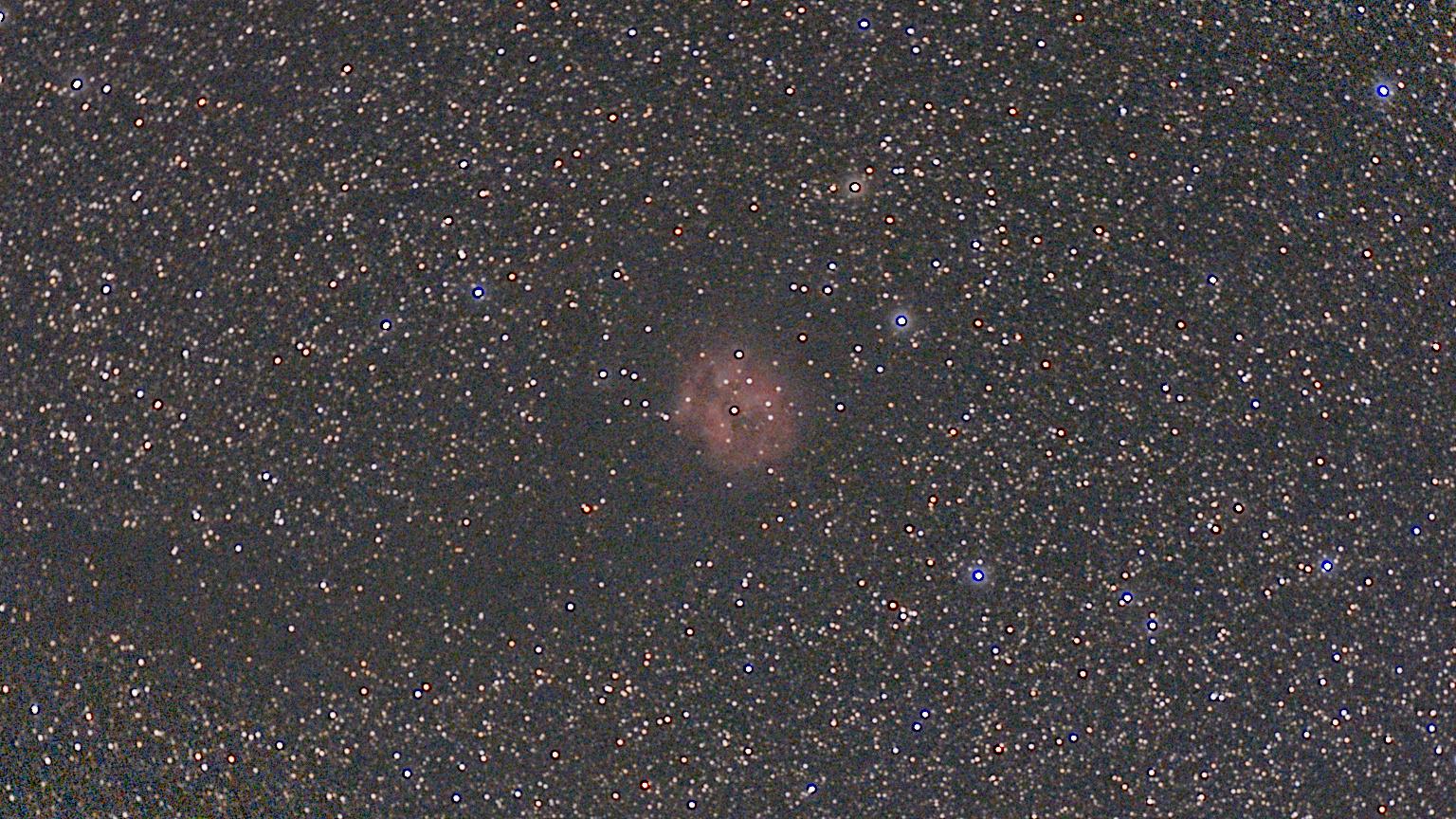
After my initial debacle, the telescope stayed on the shelf collecting dust the torschlusspanik hit me. So, in the beginning of the month of September, I dusted off the telescope and tried again with reasonable success. This is my very first astrophotography successful attempt. At last, a nebula!!! But you have to look hard at it. It is C 19 Cocoon nebula. The telescope was in Alt-AZ mode, which means the telescope is still tracking the target but is not compensating for earth rotation.
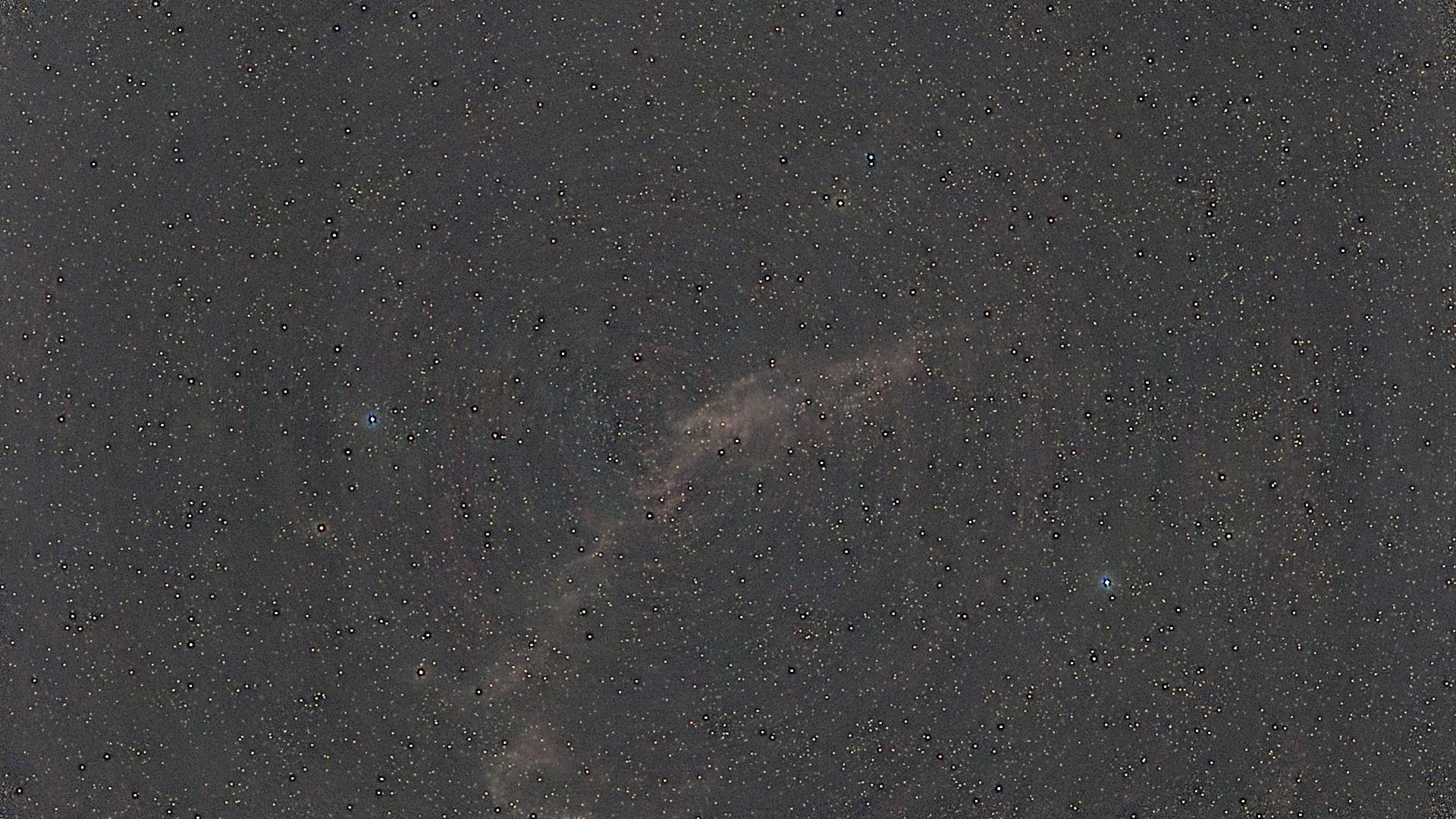
Buoyed by the “successful first attempt”, I tried yet again to set up the telescope in what is called as EQ mode (equatorial mode) in which the telescope counter-rotates to earth’s rotation and thus locking the target for better pictures. I could not figure out how to do it in April, and it took me about 15 minutes to get to EQ mode on September 9, 2026. It is very critical to get the telescope in EQ mode if I shoot long exposures (15s or longer). In the next few days, I went at it and started trying different targets. The one below is the Eastern Veil Nebula (C 33).
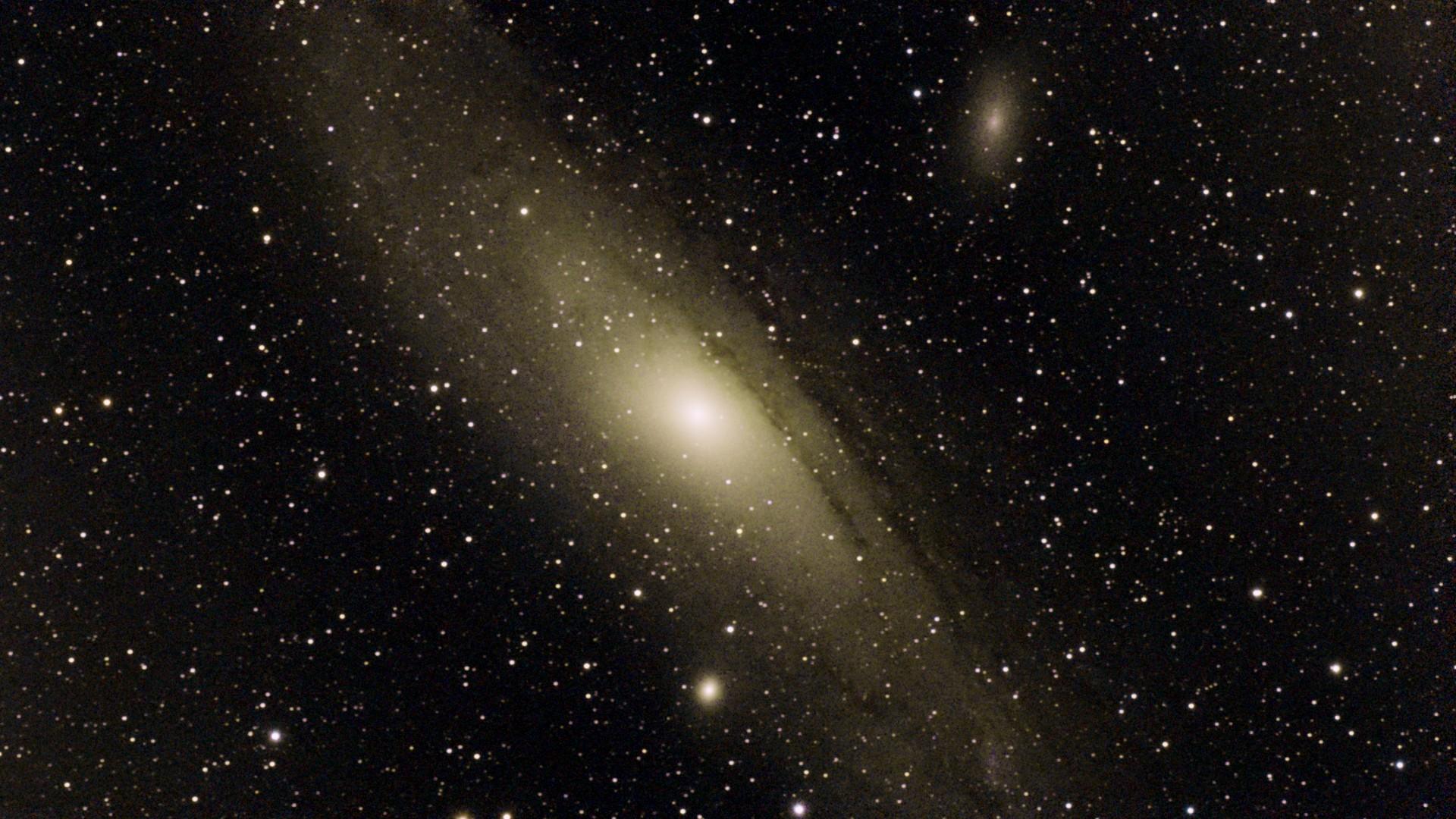
The following couple of days were spent on learning the post processing of images, stacking (typically 200+ per capture session), different astro-processing software packages and nights spent on capturing different targets including M31 (Andromeda galaxy), M33 (Triangulum galaxy). As you can see my progress was considerable in the subsequent couple of days. M31 – Andromeda Galaxy below. These were taken from backyard which is a Bortle 9 sky.
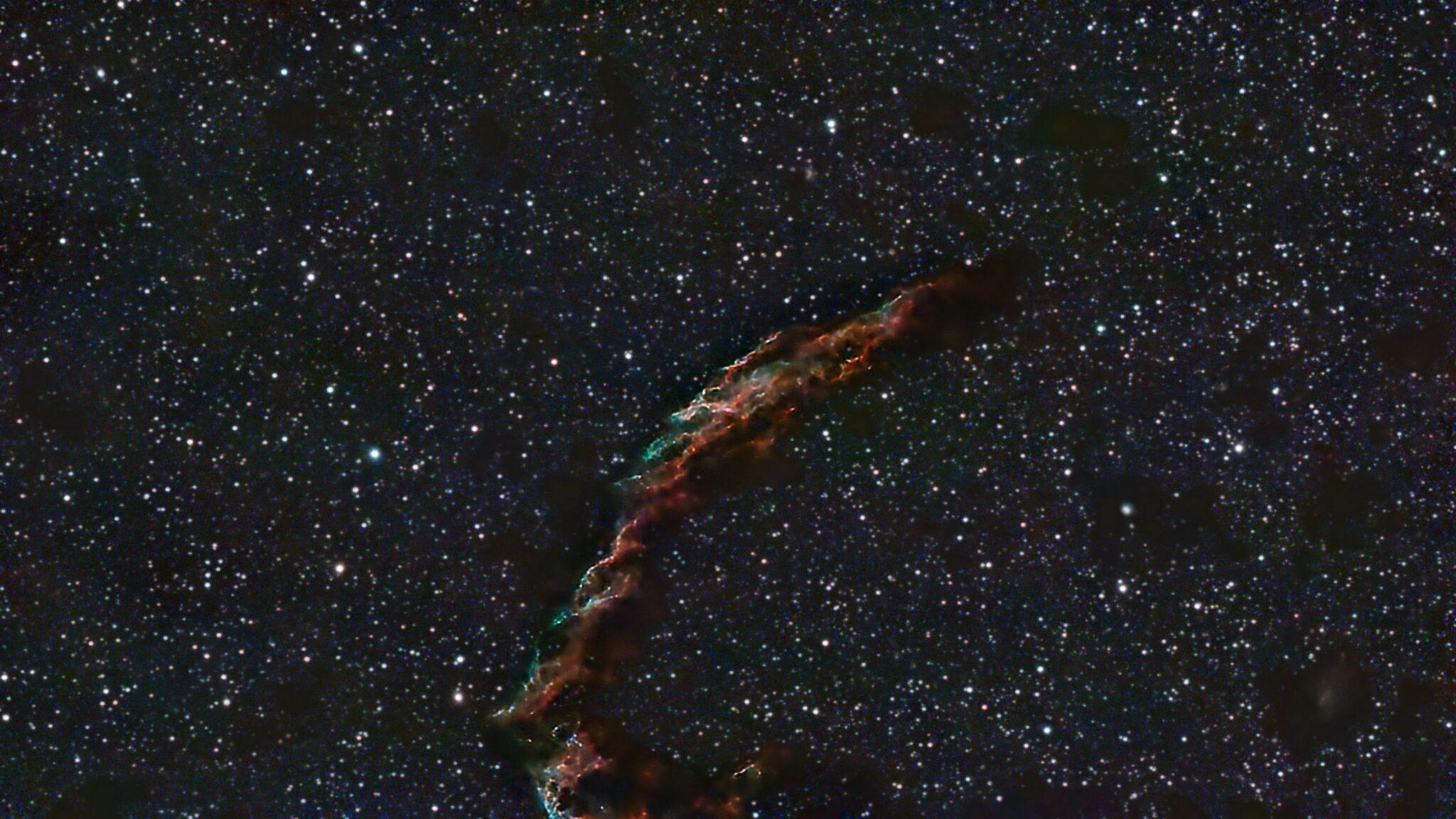
About two weeks after I took the first C33 Eastern Veil Nebula, I spent two more sessions to capture the nebula. Now I am armed with more knowledge and couple of more software packages, I did what is called a mega stack of C 33 and here is the final result.
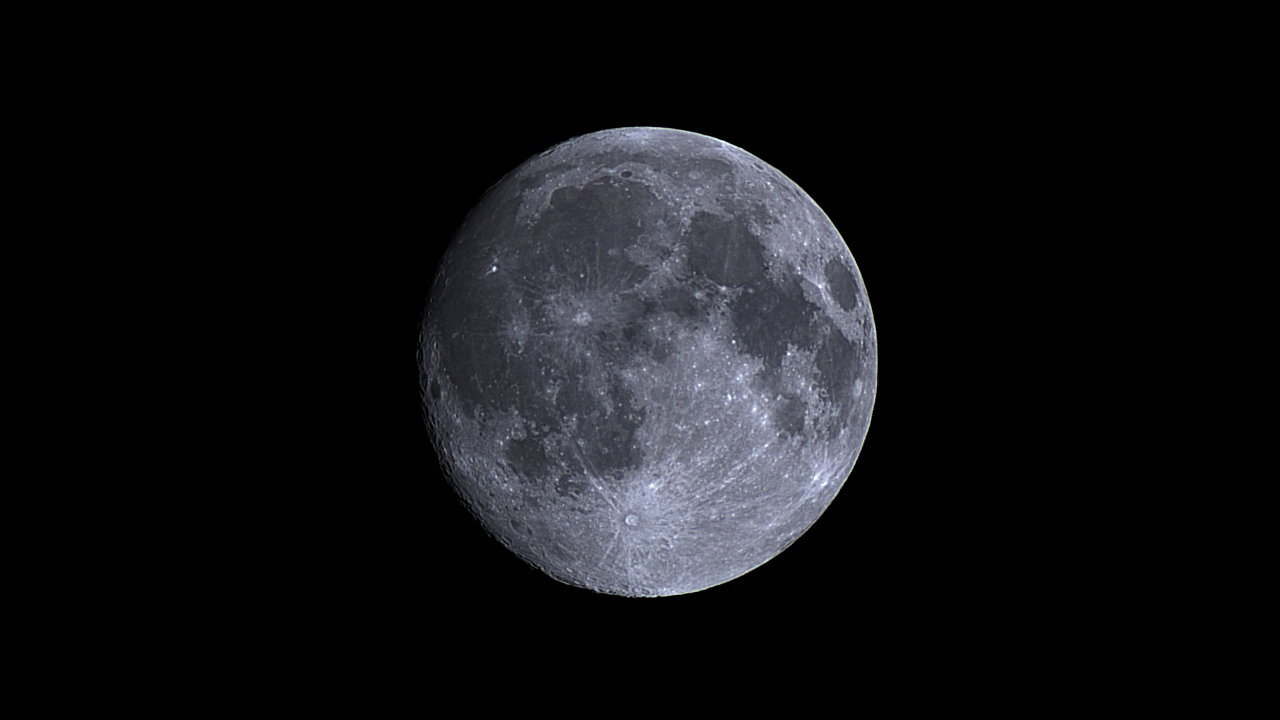
That is my journey into astrophotography, fueled by my torschlusspanik, enabled by the technology advancements that went into these smart telescopes, and driven by that “others are getting good images and why can’t I” frustration, I am now quite adept at getting my telescope into EQ mode (at least in my backyard) in less than a minute and also captured a planetary body (the same farmers moon aka harvest moon) below with same ease.
I do want to thank Jaya for immense patience with me as I was going back and forth into backyard and home triggering our motion sensor light that I am sure making her sleep a disturbed one, all in the name of indulging me.
Epilog: Manlu is sonder personified. Manlu always provided his feedback to my articles via email, sometimes complimenting and other times with a critique but always positive and encouraging. I went at it for 18 nights trying different settings and different targets, spent countless hours trying different software packages and, in the process, learning a thing or two about astronomy and astrophotography. This is my way of paying homage to two brightest stars that I know, who are wonderful human beings, warm and friendly, who would invite anybody with open arms and heart.
P.S. Bortle scale is a measure of light pollution in sky. It goes from 1 to 9, Bortle 1 sky has least amount of light pollution and Bortle 9 has the most amount of light pollution, viz., an urban landscape.
 3
3
Good morning,
It would be interesting to know the brand of the telescope that you purchased, and also the lenses that you used for these images or did you mount the camera directly to the scope with an adapter?
Nice work:)
Thank you JH. The first two are with Sony A7R5. The Milkyway was taken using 24-105f4 at 24mm. The moon was taken at 400mm with A-mount 70-400G + Tamron 1.4X + A7R5 in APSC mode. 400*1.4*1.5 making it 840mm equivalent. Handheld. As for the telescope, I used Dwarf Lab Mini. The three most popular brands that I am aware of are: Dwarf Lab, Vaonis and Seestar. My Mini is about 8 inches long, about 3 inches wide and 2 inches thick. It fits in your jacket pocket and weighs approximately 850 grams. It has 2k resolution camera (2.1MP). I would go for a 4K resolution version, if I knew then what I know now.
Nice article! Informative and recounts your friendship and recent interaction with a classmate whose existence is now a mystery.
Thank you, U.
Leave it to your son to keep you humble 😂
Not to mention my daughter who can’t resist rubbing it in. 😀
Terrific deep space shots, Sur. See, the 99% perspiration is paying off! 🙂
Thanks VM. Indeed. I need to go beyond my backyard for more options and darker sky.